WIC Household Nutrition Pre-Registration: Your 3-Step Guide
Advertisements
WIC Household Nutrition Pre-Registration: How to Complete the Initial Application in 3 Steps explains how eligible families in the United States can begin applying for nutritional assistance, prepare the required information, and complete the certification process through their local WIC agency.
WIC Household Nutrition Pre-Registration helps pregnant women, postpartum mothers, infants, and families with young children understand the first steps toward obtaining supplemental nutrition benefits and other essential services.
The Special Supplemental Nutrition Program for Women, Infants, and Children, commonly known as WIC, provides eligible participants with nutritious foods, nutrition education, breastfeeding support, and referrals to healthcare resources.
Although application procedures vary by state, most applicants can begin by contacting a local agency, providing preliminary household information, and scheduling an appointment to complete the eligibility assessment.
Understanding WIC Household Nutrition Pre-Registration
WIC Household Nutrition Pre-Registration refers to the initial process of contacting a WIC agency and providing information needed to begin an application for supplemental nutrition assistance.
Depending on the state, this process may involve a telephone conversation, an online interest form, or another method provided by the local agency before a certification appointment.
Families researching the application process for assistance programs should understand that WIC has its own eligibility requirements and does not operate as a general federal grant application.
Step 1: Initial Contact and Information Gathering
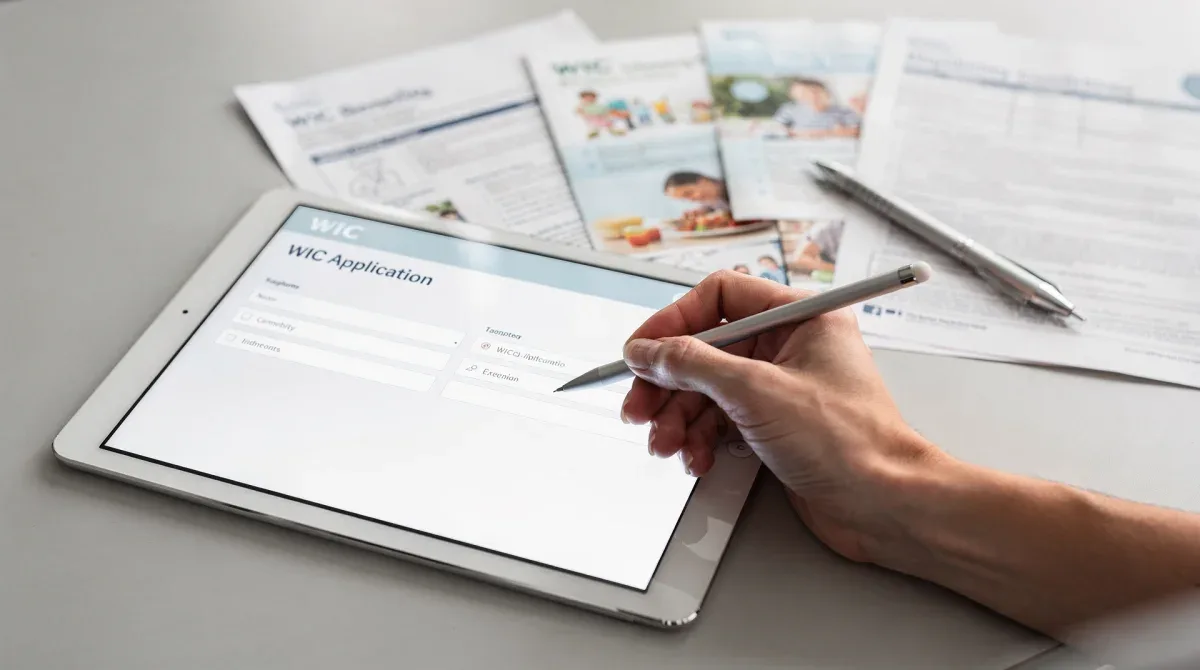
The first step in WIC Household Nutrition Pre-Registration is identifying the appropriate state or local WIC agency responsible for serving applicants in your area.
Local agencies can explain available application methods, appointment scheduling, eligibility screening, and which documents applicants may need to provide before receiving benefits.
Contacting the correct agency early helps families avoid unofficial websites, incomplete forms, and confusion about procedures that may differ between states, territories, and tribal organizations.
Identifying Your Local WIC Agency
WIC services are administered through state, territorial, tribal, and local agencies, so applicants should start with official government resources rather than assuming there is one universal application portal.
The official USDA WIC application guide explains how to begin the process and connect with the appropriate agency for your location.
Once you identify the relevant office, ask whether WIC Household Nutrition Pre-Registration can be completed by telephone or online and how an eligibility appointment will be scheduled.
Required Documents for Pre-Screening
Before beginning an application, it is useful to gather identification information, household contact details, and any documents the local WIC agency recommends for eligibility verification.
Applicants may need evidence of identity, state residency, household income, or participation in qualifying assistance programs, although documentation procedures differ between agencies.
Preparing these materials can make WIC Household Nutrition Pre-Registration easier, but families should confirm actual requirements with their WIC office before assuming that every document is mandatory.
Step 2: Completing the Pre-Application Form
The second stage of WIC Household Nutrition Pre-Registration may involve completing an online interest form or providing preliminary application information directly to WIC staff.
These forms commonly request basic information about household members, pregnancy or postpartum status, children seeking benefits, contact preferences, and financial circumstances.
Not every state uses the same form or digital system, so applicants should follow the instructions published by their local WIC agency rather than submitting personal information through unrelated websites.
Online Pre-Application Portals
Some WIC agencies provide online options that allow applicants to express interest in benefits and submit preliminary information without visiting a clinic immediately.
These tools may collect contact details, household size, income estimates, or information about other assistance programs to help staff prepare for the certification process.
Submitting an online form generally starts WIC Household Nutrition Pre-Registration but does not automatically establish eligibility or guarantee that benefits will be issued.
Information Required on the Form
Applicants may be asked whether the person seeking WIC is pregnant, breastfeeding, recently postpartum, an infant, or a child younger than five years old.
Additional questions may address household income, the number of people sharing household resources, residential location, and participation in programs that can affect income eligibility.
Providing complete and accurate information during WIC Household Nutrition Pre-Registration helps staff review the application, explain missing requirements, and arrange appropriate next steps.
Step 3: Scheduling and Attending Your Initial Appointment
After initial contact or form submission, the WIC agency will provide instructions for completing the certification process and arranging an appointment when required.
Depending on local procedures and applicable program rules, appointments may take place in person or virtually, allowing some applicants to complete portions of the process remotely.
This stage of WIC Household Nutrition Pre-Registration is important because final eligibility depends on the agency's review of qualifying conditions, financial information, and nutritional risk.
What to Expect During the Appointment
During the appointment, WIC staff review eligibility information, discuss nutritional needs, and explain the services available to qualifying participants and their families.
The assessment may involve health history, dietary questions, height or weight information, and other measurements or documentation needed to evaluate nutritional risk.
If eligibility is confirmed, the agency explains how benefits are provided, including applicable electronic benefit systems, authorized foods, nutrition education, and available follow-up services.
Documentation for the Appointment
Before attending, review the appointment instructions carefully to determine which identification, residency, income, or program participation documents the agency expects.
Accepted materials may include identification records, proof of address, wage statements, or documentation of qualifying benefits, but the agency should confirm which forms are appropriate.
Having requested information ready can simplify WIC Household Nutrition Pre-Registration and help staff complete eligibility verification without unnecessary delays caused by missing documents.
Ensuring Eligibility for WIC Benefits
Eligibility for assistance programs varies, and WIC specifically evaluates applicant category, state residency, household income, and nutritional risk before approving participation.
For the guidelines effective July 1, 2026, through June 30, 2027, the federal WIC income standard generally uses 185% of the applicable poverty income guidelines, with household size affecting the limits.
Participation in SNAP, Medicaid, or TANF may establish income eligibility under applicable rules, but WIC Household Nutrition Pre-Registration still requires the agency to evaluate other program conditions.
Benefits Beyond Food Packages
WIC provides supplemental foods selected to support the nutritional needs of eligible pregnant and postpartum participants, infants, and children during important stages of development.
The program also offers nutrition education, breastfeeding information and support, and referrals to healthcare or community services that may help families address additional needs.
Completing WIC Household Nutrition Pre-Registration can therefore provide access to more than food benefits, although the services available and individual food packages depend on program rules and participant needs.
Navigating Potential Challenges
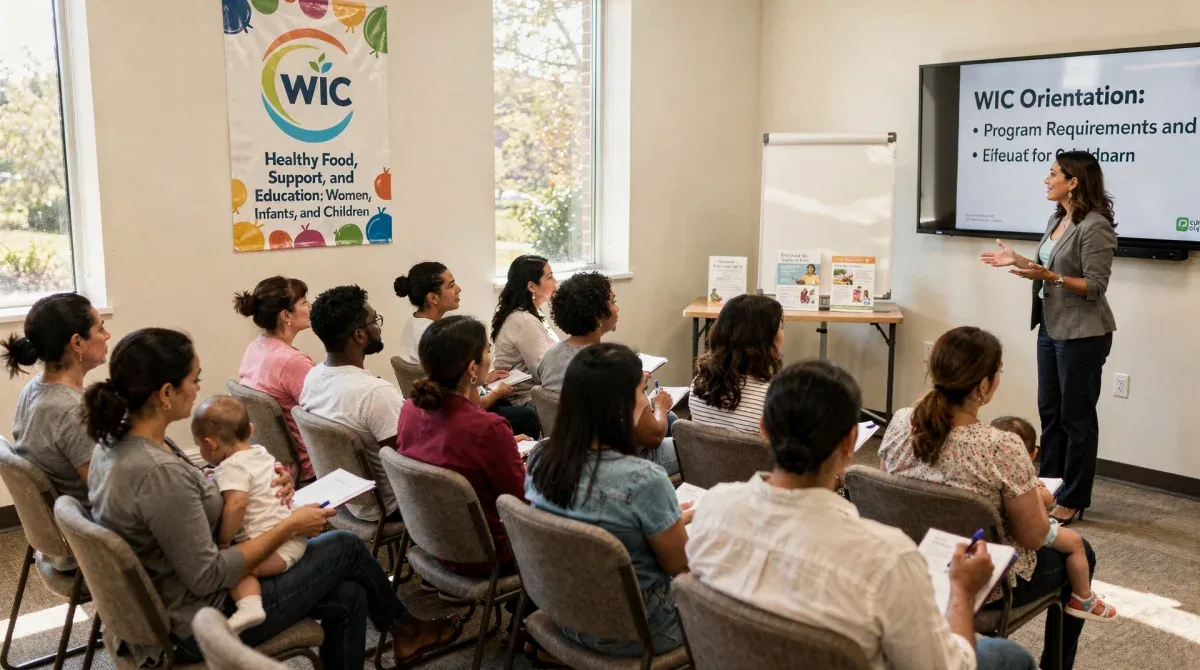
Families beginning WIC Household Nutrition Pre-Registration may encounter challenges involving appointment scheduling, limited internet access, language preferences, or uncertainty about acceptable documentation.
Because local WIC offices administer applications, contacting staff directly can help clarify available assistance, alternative communication methods, and options for completing required steps.
Applicants should also avoid assuming that an incomplete online form means permanent ineligibility, since agencies may be able to explain missing information and appropriate next steps.
The Impact of WIC on Family Well-being
WIC focuses on improving access to nutritious foods and related support during pregnancy, infancy, and early childhood, when nutritional needs can be particularly important.
Research has associated WIC participation with favorable maternal and child health outcomes, although the strength and interpretation of individual findings vary by study design and population.
For eligible families, completing WIC Household Nutrition Pre-Registration represents an opportunity to receive nutritional assistance, education, and referrals designed to support household well-being.
Key Point | Brief Description |
|---|---|
Initial Contact | Find the appropriate WIC agency and ask how to begin the application. |
Pre-Application | Provide preliminary household information through available local methods. |
Clinic Appointment | Complete eligibility verification and nutrition assessment through the appointment method available locally. |
Eligibility Criteria | Meet the applicable category, residency, income, and nutritional risk requirements. |
Frequently Asked Questions About WIC Pre-Registration
What is WIC Household Nutrition Pre-Registration?▼
WIC Household Nutrition Pre-Registration is the initial process of contacting a local agency and providing information to begin a WIC application. Families seeking to apply for WIC benefits should follow official local instructions, since preliminary registration does not guarantee approval.
Who is eligible for WIC benefits?▼
WIC serves qualifying pregnant women, breastfeeding women generally up to one year postpartum, non-breastfeeding postpartum women generally up to six months after pregnancy, infants, and children younger than five. Applicants must also satisfy applicable residency, income, and nutritional risk requirements.
What documents are needed for WIC Household Nutrition Pre-Registration?▼
Documents may include proof of identity, residency, income, or participation in qualifying assistance programs. Exact requirements depend on the local WIC agency, which should explain what information to prepare before an appointment.
Can I complete the WIC pre-application online?▼
Some states offer online forms or digital application options, while others begin the process through telephone contact or alternative procedures. Check your local WIC agency's official website to determine which methods are currently available.
What happens after I complete the pre-registration?▼
After WIC Household Nutrition Pre-Registration, the local agency will explain how to complete certification, which may involve an in-person or virtual appointment. Staff review eligibility, conduct a nutritional assessment, and provide benefit instructions if the applicant qualifies.
Looking Ahead: Sustaining WIC's Impact
WIC Household Nutrition Pre-Registration provides families with a starting point for understanding the services, eligibility requirements, and application procedures associated with this federal nutrition assistance program.
Although application methods may differ between locations, contacting an official WIC agency remains the most reliable way to obtain current instructions and arrange the required eligibility assessment.
By preparing accurate household information, gathering requested documents, and following local guidance, applicants can navigate the process more confidently and access available nutritional support when approved.